Daily Archives: August 4, 2025
The way we access and consume television content has changed dramatically in recent years. IPTV (Internet Protocol Television) and traditional ip tv are two popular options, each offering distinct experiences. If you’re debating which option is better suited to your needs, understanding the advantages and drawbacks of each can help you make an informed choice.
Pros of IPTV
1. On-Demand Content
IPTV offers convenience with on-demand viewing. You can watch shows and movies whenever you want, eliminating the rigid schedules of traditional TV. This flexibility is especially appealing to users with busy lifestyles.
2. Wider Variety of Content
With IPTV, users access a global selection of channels and streaming options. From niche genres to international sports, IPTV embraces tailored experiences for all preferences.
3. Affordable Customization
Instead of paying for a bundle of channels you don’t watch, IPTV often allows personalized subscriptions. You can pick what aligns with your viewing habits and save money in the process.
4. Multi-Device Support
IPTV can be accessed on smartphones, tablets, Smart TVs, desktops, and even gaming consoles. This portability ensures your favorite content is available, whether you’re at home or on the go.
Cons of IPTV
1. Dependent on Internet Quality
IPTV relies on strong internet connectivity. Buffering or disruptions can occur during peak hours or when signals are weak, which may frustrate viewers.
2. Subscription Fatigue
With multiple packages to choose from, costs can build up quickly if users subscribe to too many niche options. Managing subscriptions may also feel overwhelming over time.
3. Learning Curve
For those less comfortable with modern technology, switching to IPTV can be intimidating. Older viewers, in particular, may find traditional TV more straightforward.
Pros of Traditional TV
1. Simplicity and Ease of Use
Traditional TV is plug-and-play, with no setup hassles or digital interfaces to learn. It appeals to users who value convenience over customization.
2. Local News and Regional Channels
Cable or satellite providers often prioritize local content. Viewers can stay informed about regional news, sports, and events without additional subscriptions.
3. Reliable Broadcast Quality
Unlike IPTV, traditional TV doesn’t depend on internet speed, making it ideal in areas with poor connectivity.
Cons of Traditional TV
1. Fixed Schedules
Viewers must adhere to pre-programmed schedules, which can be inconvenient for those with busy routines.
2. Higher Costs for Limited Flexibility
Cable packages often come with high costs for channels you may never watch. Customization is far more limited than IPTV.
3. Limited Access to International Content
Traditional packages often lack the vast array of global options available through IPTV services.
Ultimately, the choice between IPTV and traditional TV depends on your lifestyle, viewing habits, and willingness to adapt to new technology. Each has its advantages; it’s all about what suits you best. Make your choice wisely to maximize your entertainment value!
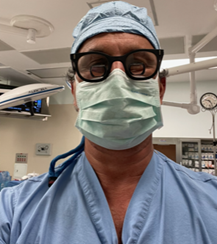
In the world of vascular medicine, few names resonate with as much respect and authority as Dr. Michael Lebow. Renowned for his exceptional skill, innovative mindset, and unwavering dedication to patient-centered care, Dr Michael Lebow has become a trusted leader in the field. His contributions continue to shape modern vascular practices, offering patients safer, more effective treatments and brighter health outcomes.
With decades of experience, Dr. Michael Lebow has mastered both traditional and minimally invasive vascular procedures, treating complex conditions such as peripheral arterial disease (PAD), aneurysms, and venous disorders. Whether performing open surgery or advanced endovascular techniques like angioplasty, stent placement, and atherectomy, his precision and clinical judgment ensure each patient receives world-class care with minimized risks and faster recoveries.
What truly elevates Dr Michael Lebow as an authority in vascular excellence is his dedication to ongoing innovation. He is actively involved in clinical research, continuously evaluating new devices, surgical strategies, and treatment protocols. This commitment allows him to stay at the forefront of medical advances while directly contributing to the evolution of vascular medicine on a global scale.
Beyond his surgical accomplishments, Dr. Michael Lebow is a passionate educator and mentor. He plays a pivotal role in shaping the future of vascular surgery through his lectures, surgical demonstrations, and participation in professional medical societies. His work in developing evidence-based guidelines ensures that the highest standards of care are upheld across the field.
Central to his practice is a deeply individualized approach to patient care. Dr. Michael Lebow invests time in understanding each patient’s history, lifestyle, and goals, crafting tailored treatment plans that address their specific needs. This personalized strategy not only improves clinical outcomes but also empowers patients, fostering trust and engagement throughout the treatment journey.
Dr. Michael Lebow also emphasizes collaborative, multidisciplinary care, working closely with cardiologists, radiologists, endocrinologists, and primary care providers. This team-based model enhances diagnostic accuracy and ensures every aspect of a patient’s health is considered.
As a trailblazer in vascular care, Dr Michael Lebow continues to inspire excellence, drive innovation, and make lasting contributions to the health and lives of his patients.